
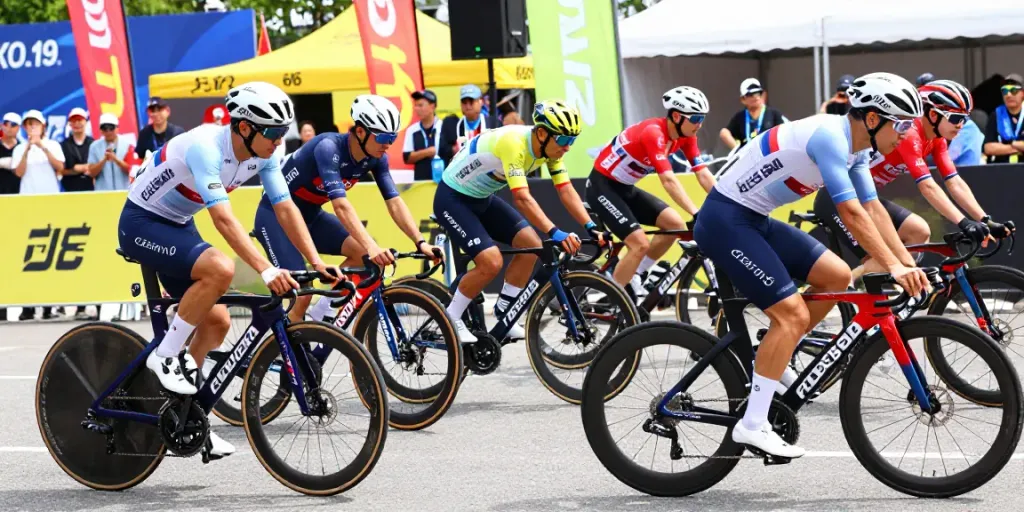
The Evolution of Squadre Ciclismo: A Historical Perspective
Cycling, in its various forms, has seen tremendous growth over the years, particularly with the rise of professional cycling teams or squadre ciclismo. These teams not only contribute to the sport's popularity but also significantly influence its competitive landscape. The evolution of cycling teams reveals a rich history intertwined with technological advancements, changing strategies, and the emergence of legendary athletes who have shaped the sport's narrative.
Origins and Development of Cycling Teams
The concept of organized cycling teams traces back to the late 19th century when the sport began gaining traction as a professional endeavor. The formation of teams allowed cyclists to collaborate, sharing not just the burden of racing but also the cost of travel, equipment, and other logistical elements. Early teams were often sponsored by manufacturers, leading to a direct link between cycling success and commercial enterprise.
As cycling gained more of a foothold in the global sports arena, particularly during the mid-20th century, the establishment of structured teams became essential. The rise of prestigious races like the Tour de France spurred teams to develop into cohesive units, where each member played a specific role—be it a climber, sprinter, or domestique. These roles enabled teams to strategize more effectively and enhance their chances of winning major races.
Key Milestones in Competitive Cycling History
Over the years, several milestones have marked the evolution of cycling teams:
- 1903: The inaugural Tour de France sets the stage for modern competitive cycling, prompting the formation of teams to support individual riders.
- 1960s: The professionalization of cycling takes shape as teams begin to attract sponsorships, with iconic brands linking their identities to cycling performance.
- 1990s: The introduction of the UCI World Tour formalizes competitive cycling structures, creating classifications that enhance team strategies and performance tracking.
- 2020s: Significant visibility for women's cycling emerges with more teams gaining sponsorship and media attention, reflecting a growing appreciation for female athletes.
Impact of Technology on Team Performance
Advancements in technology have revolutionized how cycling teams operate, influencing everything from bike design to training methods. Modern materials like carbon fiber have significantly reduced bike weight, allowing for enhanced speed and agility. Additionally, data analytics play a crucial role in performance analysis, helping teams develop training regimens that are finely tuned to the athletes' needs.
Teams now utilize biomechanical assessments and advanced coaching software to tailor workouts, nutrition, and recovery strategies to individual cyclists. This targeted approach not only boosts performance but also enhances team cohesion, as members become more attuned to each other's strengths and weaknesses.
Understanding the Structure of Modern Cycling Teams
Modern cycling teams are intricate organizations composed of various roles and specializations designed to maximize performance. Within these teams, each member has a specific function, contributing to the collective goal of winning races. Understanding this structure is vital for appreciating the dynamics at play in competitive cycling.
Roles and Specializations Within a Team
Each cyclist's role is crucial to the team's success. Here are some key positions:
- Team Leader: The primary rider expected to win races. This cyclist often benefits from the support of teammates.
- Domestiques: Riders who support the team leader, providing assistance in terms of pacing, shelter from the wind, and even taking over leads when necessary.
- Sprinters: Cyclists specialized in short bursts of speed, usually crucial in flat stages to secure wins.
- Climbers: Experts at tackling steep ascents and are vital in mountainous stages of races like the Giro d'Italia or Tour de France.
The Importance of Team Dynamics and Communication
A successful team relies heavily on chemistry and communication among its members. Effective strategies are formed not only based on physical capabilities but also on interpersonal relationships. Cyclists must communicate their needs, whether it’s to adjust pace, share information about road conditions, or coordinate during a race. This level of teamwork enhances not only race performance but also the overall morale of the group.
Training Regimens Tailored for Success
Today, training regimens are meticulously planned to suit the demands of each cyclist's role within the team. Training cycles now integrate various disciplines, including strength training, endurance building, and race simulations. Nutrition has also become a focal point, with teams employing the expertise of sports nutritionists to optimize performance through proper dietary strategies.
Teams also monitor recovery processes more carefully, utilizing methods such as cryotherapy and physiotherapy, which help cyclists recover faster and perform better in subsequent races. This holistic approach to training is foundational in achieving peak performance during crucial competitions.
Major Competitions Featuring Squadre Ciclismo
The world of competitive cycling is filled with prestigious events that draw teams from around the globe. Understanding these key competitions is essential for anyone involved in squadre ciclismo.
An Overview of Key Events in 2026
In 2026, the cycling calendar is packed with significant races that will test the mettle of teams worldwide:
- Tour de France: The pinnacle of road cycling, featuring a challenging course that pits the best teams against one another.
- Giro d'Italia: Known for its stunning scenery and steep climbs, this race attracts formidable competition.
- Vuelta a España: Set in Spain, this race is renowned for its rigorous mountain stages, which often determine the overall winner.
- World Championships: An opportunity for nations to showcase their best riders, making team strategies crucial for success.
Strategy and Preparation for Major Races
Preparation for these prestigious events requires detailed strategy formulation well in advance. Teams often analyze past performances to devise race plans that capitalize on their strengths while exploiting opponents' weaknesses. Team meetings and strategy sessions become essential components of pre-race activities, where cyclists and coaches discuss approaches to specific stages and potential contingencies.
Past Performances of Top Teams and Riders
The history of competitive cycling showcases legendary teams and riders who have left an indelible mark on the sport. Teams like Quick-Step Floors and Team INEOS (now known as INEOS Grenadiers) have consistently dominated major tours, showcasing the blend of talent, strategy, and preparation. Riders such as Tadej Pogačar, who has recently shown remarkable prowess, are pivotal to their teams’ successes and tactical executions on the road.
Challenges Faced by Cycling Teams in 2026
While professional cycling offers many rewards, teams also grapple with numerous challenges that can hinder performance. Understanding these obstacles is crucial for aspiring cyclists and industry stakeholders alike.
Navigating Sponsorship and Financial Constraints
Financial support from sponsors is vital for cycling teams. However, with fluctuating market conditions and economic uncertainties, securing sponsorship can be challenging. Teams often rely on strategic partnerships with brands, which can dictate team branding, equipment choices, and even race schedules.
Dealing with Team Injuries and Performance Pressures
Injuries pose a significant threat to teams, as an injured cyclist can dramatically alter race outcomes. Teams must have protocols to address injuries promptly and effectively, including access to medical professionals and rehabilitation resources. Additionally, the pressure of competition can lead to mental health challenges for cyclists, necessitating support systems within the team environment.
Adapting to Environmental and Health Considerations
As cycling continues to evolve, so do the environmental and health considerations surrounding the sport. Factors like climate change and the COVID-19 pandemic illustrate the need for teams to adapt logistics and race strategies quickly. Teams are increasingly focusing on sustainability, balancing competitiveness with environmental responsibility.
The Future of Squadre Ciclismo: Trends and Predictions
The landscape of professional cycling is constantly changing, shaped by emerging technologies and shifting competitors. Understanding these trends offers valuable insights into the future of cycling teams.
Emerging Technologies and Their Impact
Technological innovations continue to transform squadre ciclismo. From advanced aerodynamics in bike design to artificial intelligence in data analytics, technology will play a pivotal role in shaping competitive strategies. Teams that leverage these advancements effectively will likely gain a competitive edge in races.
Shifting Trends in Team Composition and Strategy
The composition of teams is also evolving, with increasing diversity and a focus on specific skill sets. As the sport grows, teams will need to adapt to include younger talents while retaining experienced leaders. This balance will be crucial for long-term success.
Potential Changes in the Cycling Landscape Post-2026
Looking further ahead, the cycling world may witness substantial changes following 2026, particularly as new competitions emerge and cycling's global appeal continues to expand. Additionally, the fight for gender equality within the sport is gaining momentum, suggesting that women’s cycling will receive more recognition and support in future seasons.
What are the principales squads participating in the 2026 cycling season?
As the 2026 season approaches, fans can expect an exciting lineup of squads, with traditional teams like Jumbo-Visma, UAE Team Emirates, and Ineos Grenadiers leading the charge alongside rising teams that have emerged in recent competitions.
What roles do different team members play in cycling?
Understanding the varied roles within cycling teams is key to appreciating the complex dynamics at play. Each member serves a unique function that contributes to the overall strategy and performance, from climbers to domestiques.
How do technology advancements benefit cycling teams?
Technological advancements facilitate improved training methods, enhance bike performance, and provide data insights that help teams refine strategies and maximize cyclist potential.
What are common challenges faced by professional cyclists?
Professional cyclists often face injuries, mental health pressures, and the need to adapt to ever-changing race conditions and environmental considerations.
How can upcoming cyclists join competitive teams?
Aspiring cyclists should focus on building their skills through competitive events, seeking mentorship, and networking within the cycling community to enhance their chances of joining competitive squads.